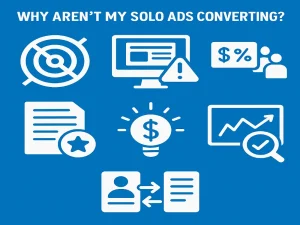

How long does it take to see results from solo ads? You can start receiving targeted visitors and email leads within 24–48 hours after your campaign begins, depending on the vendor's delivery schedule. However, generating sales may take several days or weeks, depending on your offer, landing page, traffic quality, and email follow-up strategy.
In this guide, we'll explain the typical solo ad results timeline, what affects conversions, and how to measure clicks, leads, sales, and ROI so you know when to expect results and when to optimize your campaign.
1. How Quickly Do Solo Ads Deliver Traffic, Leads, and Sales?
Solo ads can start bringing visitors to your landing page within a few hours of campaign launch. Unlike SEO or organic content, which can take time to attract visitors, solo ads provide paid traffic as soon as your vendor begins sending clicks.
However, getting traffic is not the same as generating sales. Here's a realistic timeline of what you can expect:
- Within 24 hours: Visitors may start arriving on your landing page once the vendor begins delivering traffic.
- Within 24–48 hours: You can start collecting email leads if your landing page and offer convert visitors.
- Within 3–7 days: Your follow-up emails may generate additional clicks, engagement, and potential sales.
- Within 7–30 days: You can evaluate lead quality, follow-up performance, conversions, and early return on investment (ROI).
These are estimated timelines, not guaranteed results. Some campaigns generate leads and sales on the first day, while others need additional testing and optimization.
The key takeaway: Solo ads can deliver traffic quickly, but profitable results depend on your offer, audience targeting, landing page, and email follow-up strategy.
2. Your Sales Funnel Determines How Fast Solo Ads Convert
Getting clicks from solo ads is only the first step. Your sales funnel determines how many visitors become email subscribers and paying customers. Even high-quality solo ad traffic may not generate sales if your landing page, offer, or follow-up emails aren't effective.
Three key factors influence how quickly you see results:
Landing Page Quality: A clear headline, relevant offer, fast loading speed, and strong call-to-action (CTA) can help turn visitors into leads.
Email Follow-Up Sequence: Not everyone buys on their first visit. A series of 5–7 helpful emails can introduce your offer, address objections, and encourage conversions over time.
Lead Magnet Relevance: Offering a free guide, checklist, or resource that matches your audience's interests can improve opt-in rates and lead quality.
Pro Tip: Don't focus only on immediate sales. Track your opt-in rate, email engagement, and sales conversions. If you're getting clicks but no leads, improve your landing page. If you're getting leads but no sales, review your offer and email follow-up sequence.
3. Vendor Quality Plays a Huge Role
Not all solo ad vendors deliver the same quality of traffic. A reliable vendor with a relevant, engaged email list can help you generate leads faster, while low-quality or untargeted traffic may produce clicks without conversions.
After buying solo ads, track buying solo ads:
- Opt-in Rate: Measure the percentage of visitors who subscribe to your email list. A 30–50% opt-in rate can be a useful target for some well-optimized funnels, but actual results vary by niche, offer, and audience.
- Email Engagement: Monitor email opens, clicks, and subscriber activity during the first few days. Click-through rates and conversions are generally more reliable than open rates alone.
- Sales Conversion Rate: Track how many leads become customers within 7–30 days. Some buyers convert immediately, while others need additional follow-up emails.
4. Short-Term vs. Long-Term Results: Know the Difference
It’s bs of results you’ll see from solo ads:
🟢 Short-Term Results (0–7 Days)
- Immediate website visits.
- New email subscribers.
- Occasional front-end sales (usually low-ticket offers).
🔵 Long-Term Results (7–90 Days)
- Higher email engagement.
- Recurring sales through follow-up sequences.
- Better ROI from backend offers, upsells, and email promotions.
Most successful solo ad marketers don’t judge their campaign by day-one sales. Instead, they measure results over 30–90 days, focusing on email list growth and lifetime customer value (LTV).
5. How to Speed Up Your Results
Want faster results from your solo ad campaigns?
Follow these proven tips:
✅ Pre-sell in your ad copy. Give readers a reason to click with intent.
✅ Use a lead magnet that directly solves a pain point in your niche.
✅ Optimize your landing page for mobile and clarity — one goal, one CTA.
✅ Build a follow-up email sequence with at least 7–10 value-packed messages.
✅ Segment your email list based on engagement to send more targeted offers.
When everything in your funnel is aligned, solo ads can start producing results within the first 5–10 days — and keep delivering conversions for months.
Final Thoughts
Solo ads can send traffic fast — but real results don’t happen overnight. Most marketers start seeing opt-ins within 24–48 hours, early sales within a week, and consistent revenue within 30–60 days as their email list begins to convert.
If you approach solo ads as a list-building and long-term conversion strategy rather than a “quick sale” tactic, you’ll avoid disappointment and start seeing real ROI.
Frequently Asked Questions
Solo ads can start delivering website traffic within a few hours after a vendor launches your campaign. Email leads may arrive within 24–48 hours, while sales can take several days or weeks. Results depend on traffic quality, your offer, landing page, and email follow-up strategy.
Yes, solo ads can generate sales within 24 hours, especially when your offer matches the audience's interests. However, immediate sales aren't guaranteed. Some visitors need multiple interactions or follow-up emails before making a purchase.
A starting test of 100–300 clicks can help you evaluate traffic quality, landing page performance, and initial lead generation. However, small tests may not provide enough data to predict sales consistently. Track your cost per lead and conversions before increasing your budget.
An opt-in rate of 20–40% can be a useful starting benchmark for some solo ad landing pages, but performance varies by audience, niche, and offer. Instead of relying on a fixed percentage, compare your results across campaigns and focus on generating qualified leads.
Getting clicks without sales may indicate a mismatch between your audience and offer, an ineffective landing page, weak email follow-up, or low-quality traffic. Check your opt-in rate, email engagement, and sales funnel before deciding whether the vendor is responsible.
Review traffic and lead generation within the first 24–48 hours. You can evaluate early sales after 7–14 days, but a 30–90-day tracking period may provide a clearer picture of total revenue from email follow-ups, repeat purchases, and upsells.
Solo ads can be useful for beginners who want to test an offer and build an email list without waiting for organic traffic. However, profitability isn't guaranteed. Start with a small budget, choose a relevant vendor, track conversions, and optimize your funnel before scaling.
To improve your chances of getting results faster, choose a vendor with a relevant audience, use a focused landing page, offer a valuable lead magnet, and set up automated email follow-ups. Track clicks, opt-ins, and sales to identify problems early and improve future campaigns.